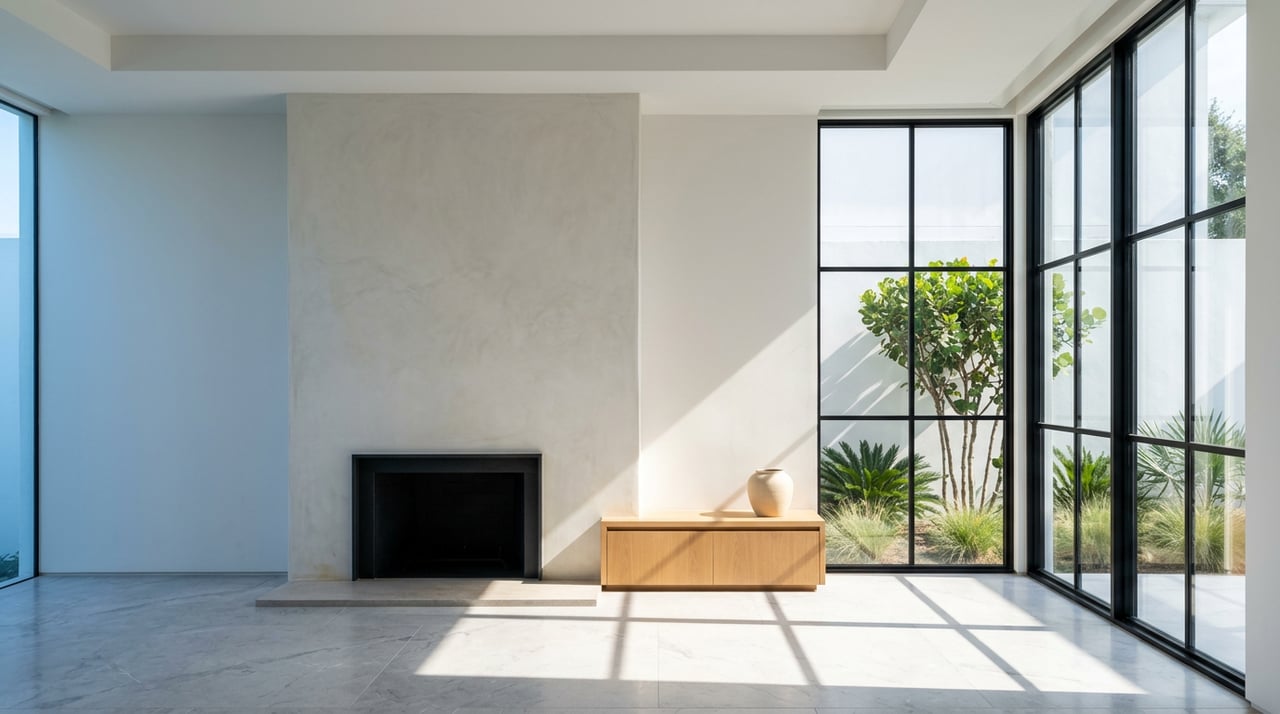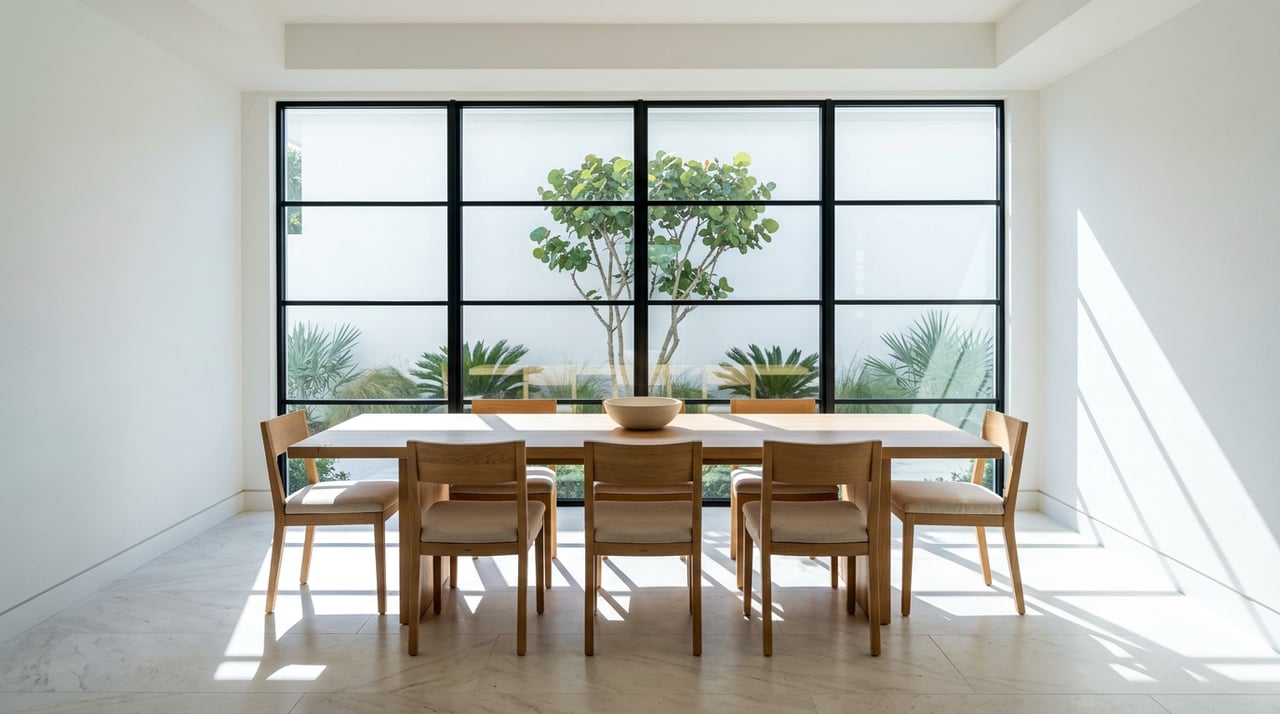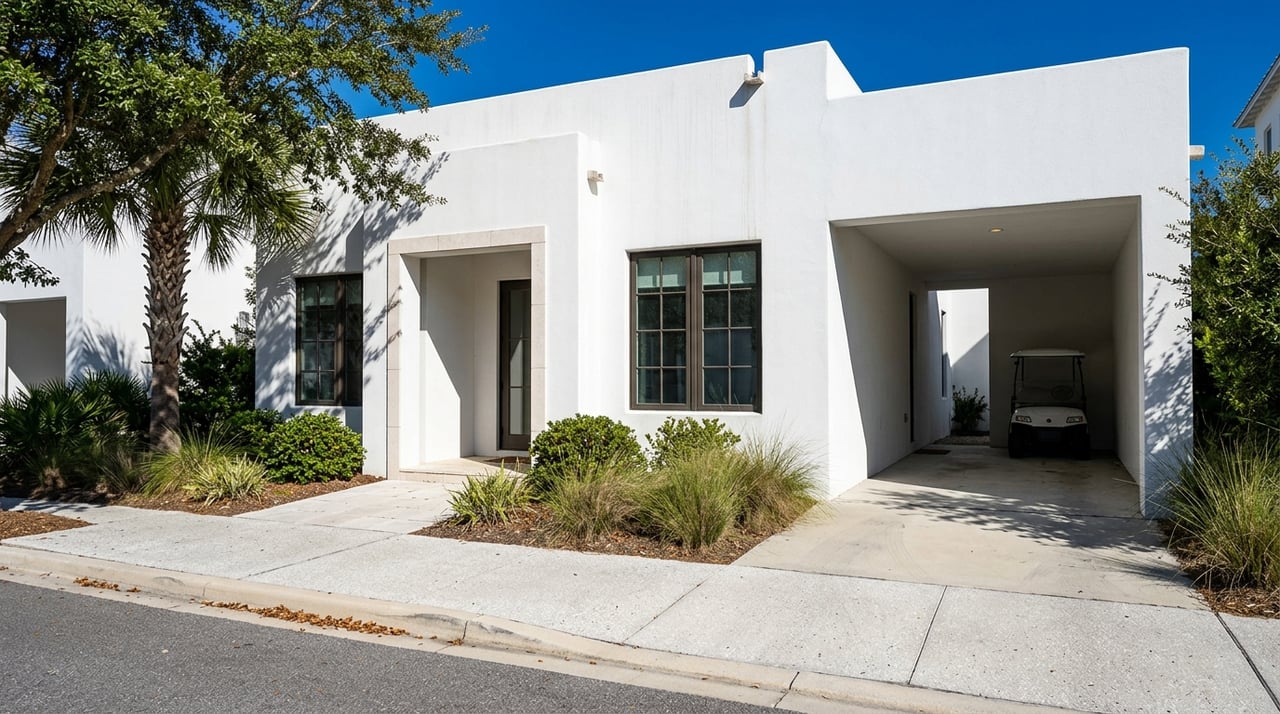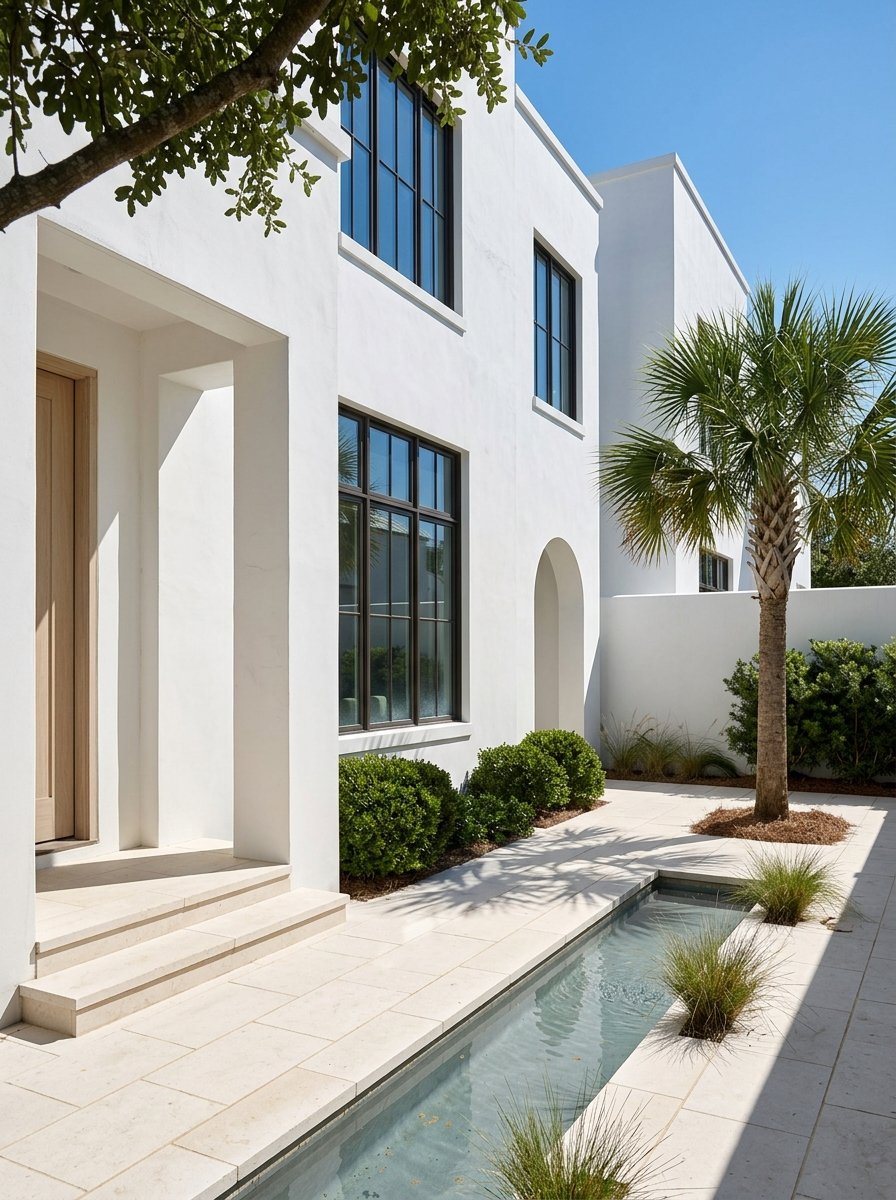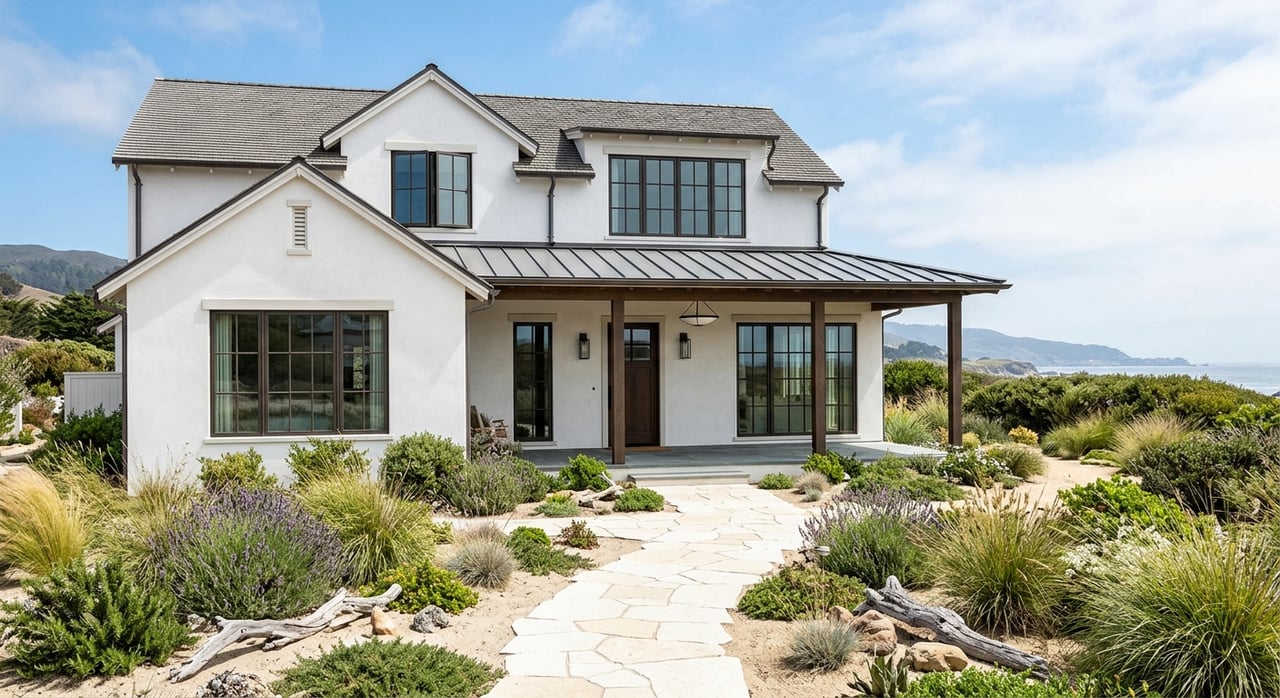
Trying to choose between a condo and a cottage in Watersound Beach? You are not alone. Both options put you inside one of South Walton’s most distinctive coastal settings, but they create very different day-to-day ownership experiences. If you are weighing privacy, maintenance, guest space, and access to amenities, this guide will help you compare the two with more clarity. Let’s dive in.
Watersound Beach at a Glance
Watersound Beach is a gated beachfront community along Scenic Highway 30A in south Walton County. Historic St. Joe filings describe it as roughly 256 acres with more than one mile of Gulf frontage and an 85-acre beachfront preserve.
Current Watersound Club materials highlight the Beach Club’s private beach club setting, resort-style pools, dining, bars, a kid’s room, and a recreation area. The broader Watersound setting also emphasizes conservation and paved multi-use paths, which gives the community a preserved coastal feel alongside its residential appeal.
Condo vs. Cottage Basics
In Watersound Beach, you are not choosing between a good option and a better option. You are choosing between two different ownership styles inside the same luxury coastal environment.
Historically and today, the market includes both multifamily neighborhoods such as Compass Point and detached single-family homes or cottages. That means your decision is less about the address itself and more about how you want to live when you are there.
Why a Condo Appeals to Buyers
Condo ownership in Watersound Beach often appeals to buyers who want simplicity. Current condo listings are concentrated around Compass Point and similar multifamily enclaves, with examples ranging from about 1,980 to 2,286 square feet at roughly $2.725 million to $3.425 million.
A representative Compass Point condo is described as a 2-bedroom, 2-bath, 1,332-square-foot end unit near the Dunesider pool and beach boardwalks. Features noted in that listing include onsite management, an elevator, a covered underground garage, reserved parking, private storage, golf-cart parking, and a private balcony.
Under Florida condominium law, condo ownership generally means you own your unit plus an undivided share of the common elements. The association is responsible for maintaining the common elements unless the declaration states otherwise.
In practical terms, that structure can create more of a lock-and-leave experience. If you want a smaller footprint and less exterior upkeep to think about, a condo may fit the way you plan to use your property.
Condo strengths to consider
- Easier exterior maintenance in many cases
- Close connection to shared amenities and beach access
- Smaller footprint for simpler seasonal use
- Features like elevators, covered parking, and onsite management in some buildings
Condo tradeoffs to keep in mind
- More shared walls and shared circulation areas
- Greater coordination with an association
- Less separation than a detached home
- Layouts may offer less guest space than larger cottages
Why a Cottage Appeals to Buyers
If you picture a more traditional beach-house experience, a cottage may be the better fit. Current detached Watersound Beach homes show a noticeably different product type, with examples ranging from about 2,430 to 4,445 square feet and commonly offering 4 to 5 bedrooms.
Features in current listings include private pools, two-car garages, screened porches, carriage-house suites, elevators, tower rooms, and multiple living areas. One listing describes a Gulf-blue shingle-clad cottage behind a white picket fence with a private pool and two-car garage. Another highlights a 5-bedroom coastal cottage retreat with a screened porch, a carriage-house suite above the garage, and direct access to Yacht Pond and walking trails.
Because the home is detached and sits on its own lot, a cottage usually offers more privacy and more indoor-outdoor separation than a condo. It can also provide the larger kitchen, gathering space, and sleeping capacity that many second-home buyers want for extended stays or hosting guests.
Cottage strengths to consider
- More privacy from neighbors
- Larger floor plans and more bedrooms
- Better flexibility for guests and longer stays
- Private outdoor features such as pools, porches, or garages in some homes
- A fuller single-family beach-house feel
Cottage tradeoffs to keep in mind
- More maintenance responsibility in many cases
- More systems and exterior areas to manage
- Potentially higher effort for seasonal ownership depending on the property
Maintenance Is Often the Real Deciding Factor
For many buyers, the biggest difference is not square footage. It is maintenance.
With a condo, Florida law generally places responsibility for common elements on the association unless governing documents say otherwise. That can reduce the amount of exterior upkeep you need to manage directly.
With a detached cottage, the maintenance split can vary. Florida HOA law allows associations to maintain common areas, but the owner of a detached home typically has more responsibility for the structure, grounds, pool, and systems unless the HOA or declaration assigns certain services differently.
That said, not every single-family home works the same way. One current Watersound Beach listing shows HOA services that include grounds maintenance, security, sewer, trash, water, and internet. The key takeaway is simple: you need to review the specific maintenance structure for the property you are considering.
Privacy and Lifestyle Feel
If privacy is high on your list, cottages usually have the edge. A detached home naturally reduces shared walls, shared corridors, and shared parking flow.
If convenience matters more than separation, condos often stand out. In Watersound Beach, condo living can place you closer to highly used shared access points and can make arrivals and departures feel easier, especially for shorter stays.
This is where lifestyle matters most. Some buyers want to step into a refined, lower-maintenance residence and head straight for the boardwalk. Others want a home that feels more tucked away, with room to spread out indoors and outdoors.
Amenity Access and Daily Convenience
Both property types can offer strong access to the Watersound lifestyle. The difference is usually not whether you can enjoy the amenities, but how directly that access is built into your daily routine.
A current condo example is specifically described as being in the building closest to the Dunesider pool and beach boardwalks. That kind of positioning can matter if you want very immediate access to shared beach and pool areas.
Cottages may be more spread out across individual lots, but they still sit within the same boardwalk-and-path ecosystem. Watersound Club’s Beach Club includes over one mile of Gulf frontage, resort-style pools, dining venues, bars, and a recreation area, while the broader area also benefits from paved multi-use paths and access to Watersound Town Center for groceries, dining, retail, and errands.
Is a Condo Always Less Expensive?
Not necessarily. In Watersound Beach, property type alone does not tell the full pricing story.
Current listing snapshots show a 1,332-square-foot Compass Point condo at about $1,239 per square foot, while a 2,430-square-foot cottage is listed at about $1,183 per square foot. Larger cottages can also command very high total prices.
In other words, factors like view, beach proximity, lot position, and amenity package can matter just as much as whether the property is a condo or a cottage. It is smart to compare both total price and value per square foot, then weigh that against your actual use goals.
Which Option Fits Your Goals Best?
If you want a lock-and-leave second home with strong amenity adjacency, a condo may be the better match. This can be especially appealing if you expect shorter stays and want less exterior responsibility.
If you want room for guests, more privacy, and a more expansive beach-home layout, a cottage may be the stronger fit. That is often the case for buyers planning longer visits, family gatherings, or a more immersive ownership experience.
The best decision usually comes down to a few practical questions:
- How often will you use the home?
- How much maintenance do you want to manage?
- How important is privacy?
- Do you need multiple guest rooms or separate living spaces?
- Do you want immediate shared access, or a more private-home feel?
In Watersound Beach, both condos and cottages can be luxury purchases. The right choice is the one that matches how you want to live, host, and spend time on 30A.
If you want tailored guidance on Watersound Beach inventory, ownership style, and lifestyle fit, the Geppert Beeker Group can help you compare options with local insight and a white-glove approach.
FAQs
What is the main difference between a condo and a cottage in Watersound Beach?
- A condo usually offers a simpler, more shared ownership experience with less exterior upkeep, while a cottage usually offers more space, privacy, and single-family separation.
Are Watersound Beach condos closer to the beach than cottages?
- Some condos are positioned very close to the Dunesider pool and beach boardwalks, while cottages may be more spread out, though both can still enjoy the same broader boardwalk-and-path network.
Is a Watersound Beach condo easier to use as a second home?
- Usually yes, because condo ownership often centralizes common-element maintenance through the association, though each property’s governing documents still matter.
Do Watersound Beach cottages have more room for guests?
- In many cases, yes. Current cottage examples show more bedrooms, multiple living areas, garages, and guest-friendly layouts such as carriage-house suites.
Is a condo always cheaper than a cottage in Watersound Beach?
- No. Current listings show that price per square foot can be competitive across both property types, and factors like views, location, and amenities can affect value significantly.