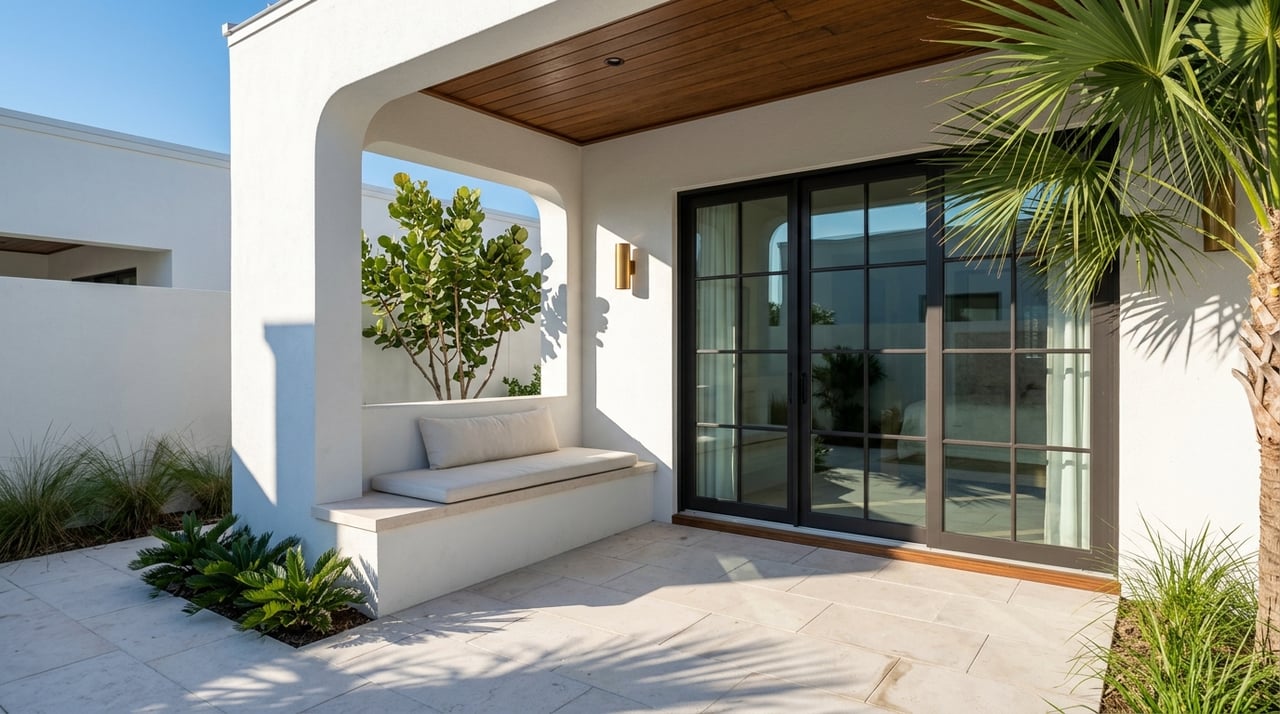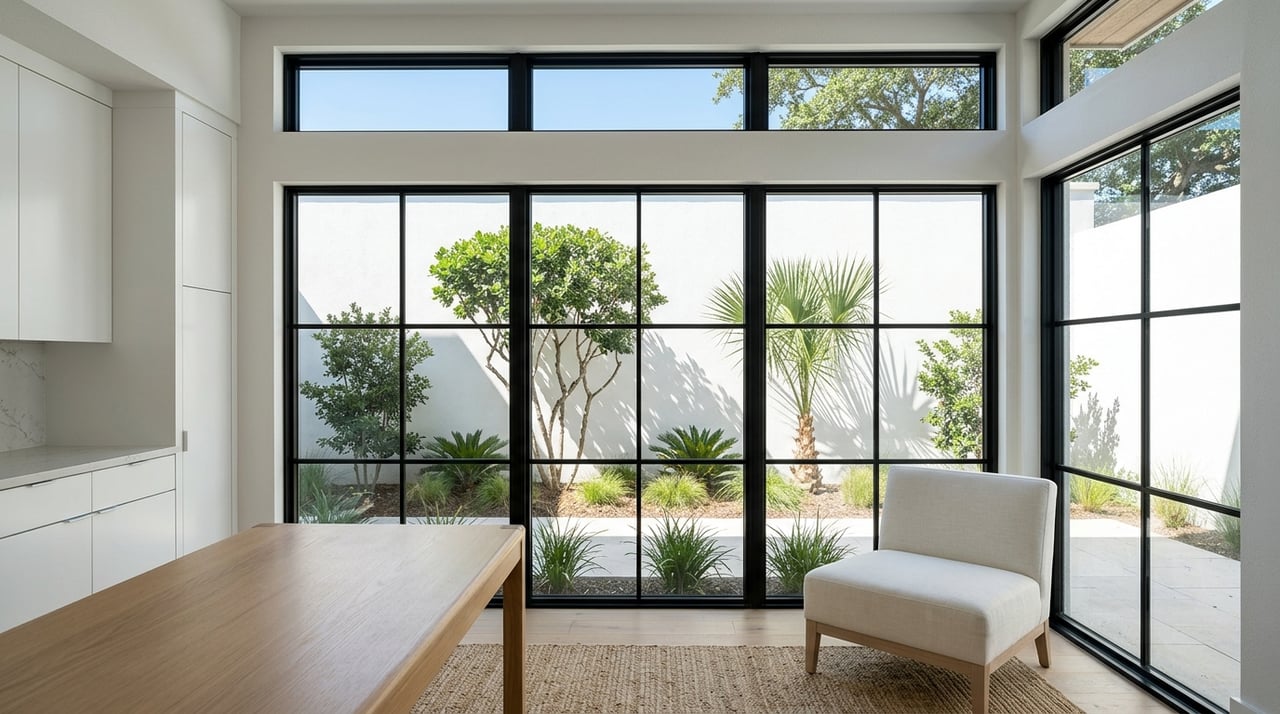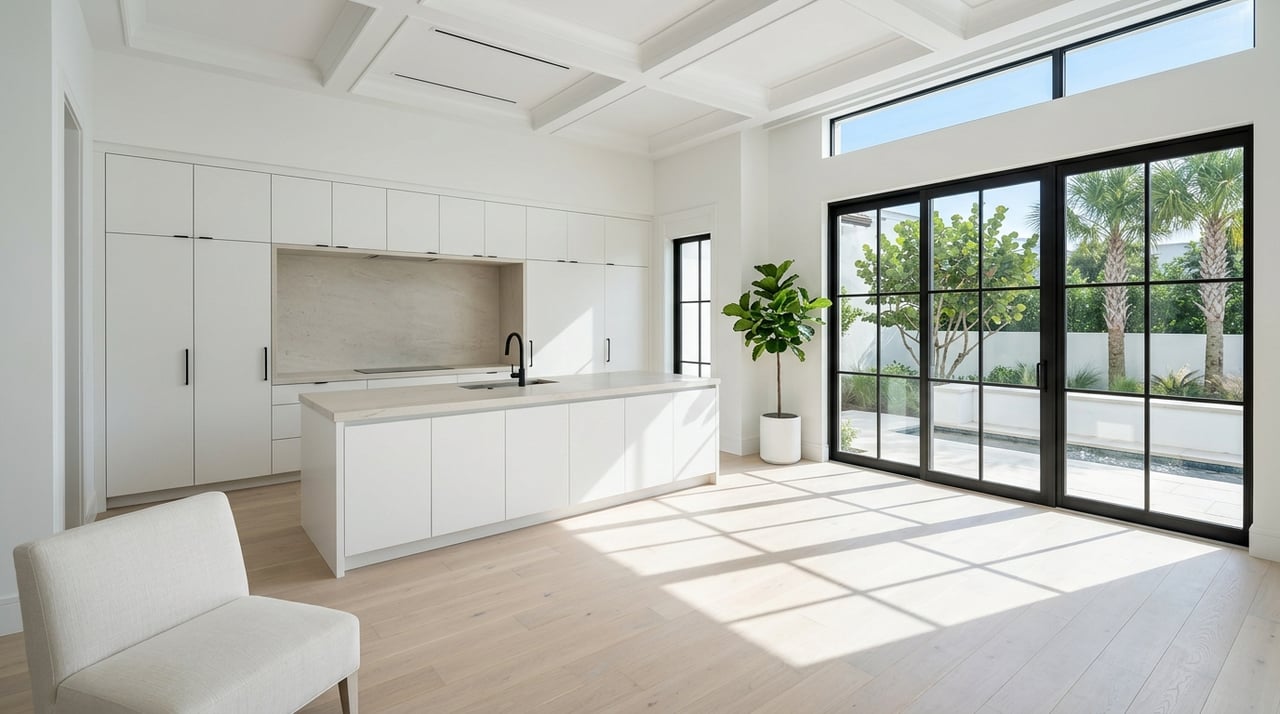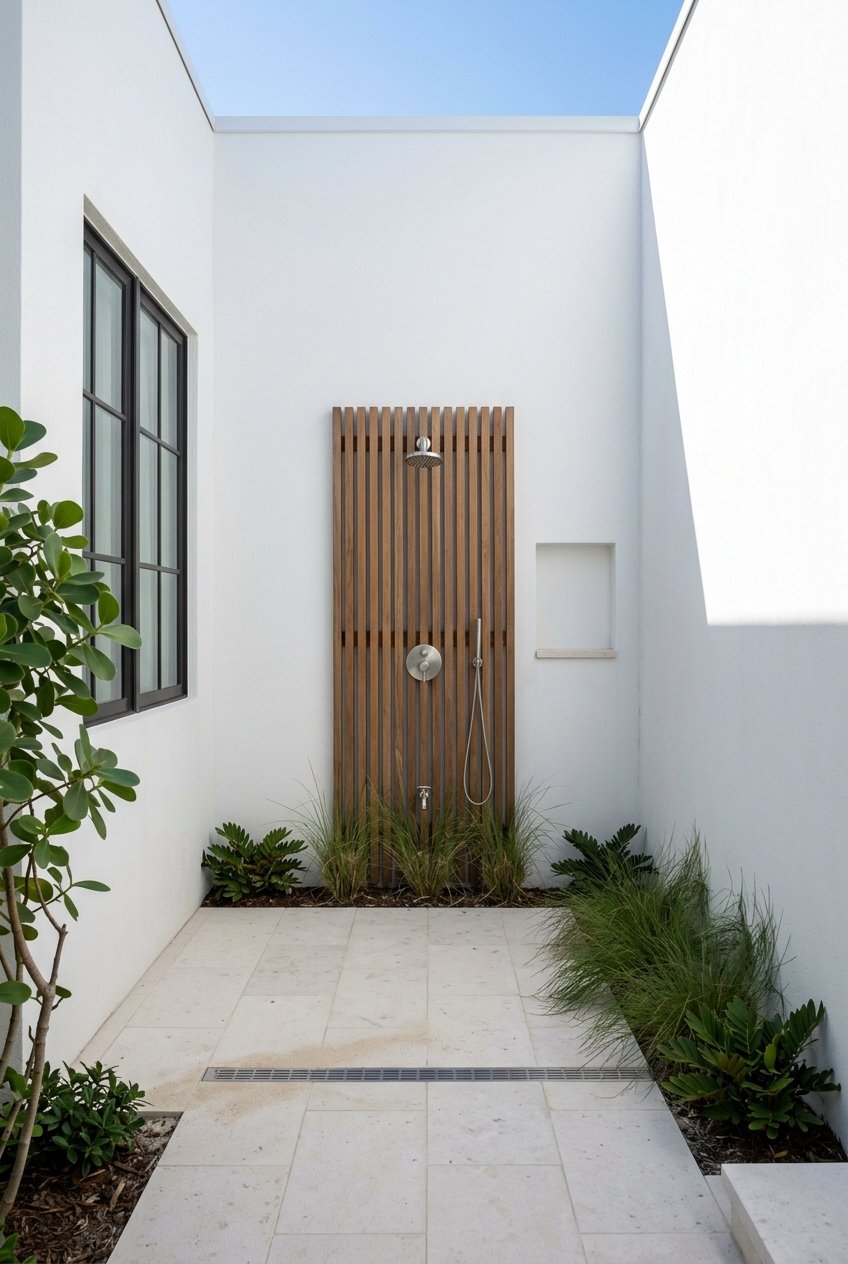
Dreaming about a place near the Gulf where you can unplug, host family, and slip into a more relaxed routine? Owning a second home in Watersound Beach can offer that coastal lifestyle, but it also comes with important financial and practical details that are easy to overlook. If you are considering a purchase in Watersound Bridges or the greater Watersound Beach area, this guide will help you understand the real costs, risks, and planning steps that matter most before you close. Let’s dive in.
Why Watersound Beach Appeals to Second-Home Buyers
Watersound Beach stands out as a coastal ownership market built around beach access and a polished lifestyle experience. Along South Walton, you have access to 26 miles of sugar-white sand, with a mix of public and private access beaches and nearby state parks.
For many second-home buyers, that setting is the draw. You may be looking for a refined getaway, a seasonal retreat, or a property that supports your long-term lifestyle goals on 30A. The appeal is real, but it helps to pair that excitement with a clear ownership plan from day one.
Budget Beyond the Purchase Price
When you buy a second home in Watersound Beach, your monthly and annual costs can look very different from those of a primary residence. The biggest mistake many buyers make is focusing on price alone instead of the full cost of ownership.
You will want to review both fixed and variable expenses before making an offer. That gives you a more accurate picture of what the home will cost to own, maintain, and protect over time.
Key carrying costs to expect
Common second-home ownership costs may include:
- Property taxes
- HOA dues
- Private club dues, if applicable
- Homeowners insurance
- Flood insurance
- Utilities
- Cleaning services
- Landscaping
- Pest control
- Pool care
- Security monitoring
If you plan to use the home only part of the year, it is smart to budget for regular property checks as well. A vacant coastal home can develop issues quickly if small maintenance problems go unnoticed.
Understand Florida Property Taxes for a Second Home
One of the most important financial differences between a primary residence and a second home in Florida is homestead status. The Florida Department of Revenue states that the homestead exemption applies to a permanent residence and can reduce taxable value by as much as $50,000.
If your Watersound Beach property is a second home, it generally will not qualify for that benefit. Walton County also notes that residences without homestead are not eligible for the Save Our Homes assessment limitation, which can affect how taxable value changes over time.
Walton County tax timing to know
Walton County follows a set annual property-tax schedule. Keeping these dates in mind can help you avoid surprises after closing.
- TRIM notices are sent in August
- Tax statements are mailed November 1
- Payment is due March 31
- Delinquent status begins April 1
If you are comparing multiple homes, ask for a tax estimate based on non-homestead ownership. That creates a more realistic planning number for your long-term budget.
Review Club and Community Obligations Carefully
In Watersound Beach, amenities can be a meaningful part of the ownership experience. Watersound Club is private, and membership may involve an application and acceptance process, along with dues, initiation fees, use fees, and terms that can change.
That means you should never assume access details or costs without confirming them directly during your due diligence period. If club access matters to your lifestyle, make sure you understand the current requirements, fee structure, and any limitations before moving forward.
You should also review HOA obligations with the same level of care. Community rules, dues, and service levels can shape both your ownership costs and how you use the property throughout the year.
Insurance Needs More Than One Conversation
Insurance is one of the most important topics for a coastal second home, and it should start early in your buying process. In Florida, homeowners insurance and flood insurance are separate issues, so you need to evaluate both.
Do not rely on general assumptions about the area or the neighborhood. Insurance costs and requirements can vary based on the exact property, the lender, the flood zone, and the home’s construction features.
Flood insurance deserves a separate review
Florida consumer guidance explains that most homeowners policies do not include flood coverage. Flood insurance may be available through the National Flood Insurance Program or private markets, and there is normally a 30-day waiting period unless the policy is tied to a loan closing or certain map-change exceptions.
That timing matters if you are close to closing or trying to estimate total monthly ownership costs. Buyers should also check the exact address using the official public source for flood-hazard information rather than relying on a general impression of the area.
Wind and hurricane coverage matter too
Florida officials state that virtually all homeowners policies cover windstorms unless the coverage is specifically excluded. However, hurricane deductibles can be separate and percentage-based, which means your out-of-pocket cost after a covered hurricane loss may be higher than you expect.
This is why it is important to review the deductible structure in plain terms before you buy. You should also ask about wind-mitigation features that may qualify for discounts, such as opening protection, roof shape, and code-compliant roof work.
Questions to ask before closing
Before you close on a second home in Watersound Beach, ask:
- Does the property require flood insurance?
- What is the hurricane deductible?
- Is wind coverage included or excluded?
- How old is the roof?
- Are there shutters or impact-rated openings?
- Are there documented wind-mitigation features?
These answers can affect not only your insurance costs, but also your comfort level as an absentee owner.
Have a Maintenance Plan for Vacancy and Storm Season
A second home near the coast needs consistent oversight, even when you are not there. Moisture, weather, and delayed repairs can create larger problems if no one is checking the property on a routine basis.
EPA guidance says wet or damp areas should be dried within 24 to 48 hours, indoor humidity should be kept below 60 percent when possible, gutters should be cleaned regularly, the ground should slope away from the foundation, and AC drip pans and drain lines should stay clear. For a part-time residence, that translates into proactive care rather than reactive fixes.
Smart upkeep for a coastal second home
A practical maintenance approach often includes:
- Routine interior and exterior check-ins
- HVAC monitoring and service
- Gutter cleaning
- Moisture and leak inspections
- Post-storm walkthroughs
- Landscaping oversight
- Pest prevention
- Quick-response help for power or water issues
If the home will sit vacant for stretches of time, it is wise to build a local support team before you need one. That can make a major difference when a storm passes through or a maintenance issue appears between visits.
Build Your Local Support Team Early
Owning a second home is easier when you have trusted local professionals in place. In practice, that support team often includes a property manager or caretaker, an insurance agent, HVAC and handyman vendors, a landscaper, pest service, cleaner, and CPA.
This matters even more in a coastal market where weather, humidity, and vacancy can create time-sensitive issues. If something goes wrong, speed and local access matter.
Ready.gov advises households to be prepared to live on their own for several days after an emergency. For a second home, that supports keeping a stocked emergency kit, spare keys, and a written hurricane plan at the property.
Renting the Home Adds More Steps
Some second-home buyers consider offsetting costs by renting the property when they are not using it. If that is part of your plan, you need to confirm local compliance requirements before closing.
Walton County’s current short-term vacation rental program requires annual registration. The county also points owners to state and county licensing and tax-registration steps, while Watersound’s FAQ states that the community does not handle vacation rentals directly.
Rental owners should also ask about filings
If the home is rented and furnished, Walton County treats furnishings in rental property as tangible personal property. That is a good reason to speak with a CPA early so you can understand whether additional filings may apply to your situation.
Even if you are still undecided about renting, it helps to know the operational requirements ahead of time. A property that feels ideal for personal use may involve more hands-on management if you later shift to short-term rental activity.
Best Questions to Answer Before You Buy
Second-home ownership in Watersound Beach can be incredibly rewarding, but the smoothest purchases usually come from buyers who get specific answers early. Before you move forward, make sure you can clearly answer a few key questions.
Your pre-purchase checklist
- What will my property taxes look like without homestead benefits?
- What are the HOA or club costs and rules?
- Is flood insurance needed for this exact address?
- What are the wind and hurricane deductible details?
- What maintenance support will I have when I am away?
- If I plan to rent, what county registration and tax steps apply?
Clear answers here help you buy with confidence. They also reduce the chance of unpleasant surprises after closing.
Owning a second home in Watersound Beach is about more than securing a beautiful property. It is about understanding the full picture, from non-homestead taxes and club obligations to flood risk, insurance structure, and year-round maintenance support. When you approach the purchase with careful due diligence and local guidance, you put yourself in a much better position to enjoy the lifestyle that drew you here in the first place.
If you are exploring a second-home purchase in Watersound Bridges or anywhere along 30A, the Geppert Beeker Group offers personalized buyer representation with the local insight and white-glove service needed for a confident coastal purchase.
FAQs
What should you know about second-home property taxes in Watersound Beach?
- A second home in Walton County typically does not qualify for Florida homestead benefits, which means you should budget without the homestead exemption or the Save Our Homes assessment limitation.
What insurance should you review before buying a second home in Watersound Beach?
- You should review homeowners insurance, flood insurance, wind coverage, and the hurricane deductible structure, since these are separate but related parts of protecting a coastal property.
What should you ask about flood risk for a Watersound Beach property?
- You should check the exact property address using official flood-hazard information and confirm whether flood insurance is required or recommended before closing.
What ongoing costs come with owning a second home in Walton County?
- In addition to mortgage and taxes, common costs include HOA dues, possible club dues, insurance, utilities, cleaning, landscaping, pest control, pool care, security monitoring, and regular property checks.
What should you know about renting out a second home in Walton County?
- Walton County requires annual short-term vacation rental registration, and furnished rental property may also involve tangible personal property considerations that should be reviewed with a CPA.
What local help is useful for a second home in Watersound Beach?
- Many owners benefit from a local team that may include a property manager or caretaker, insurance agent, HVAC and handyman vendors, landscaper, pest service, cleaner, and CPA.