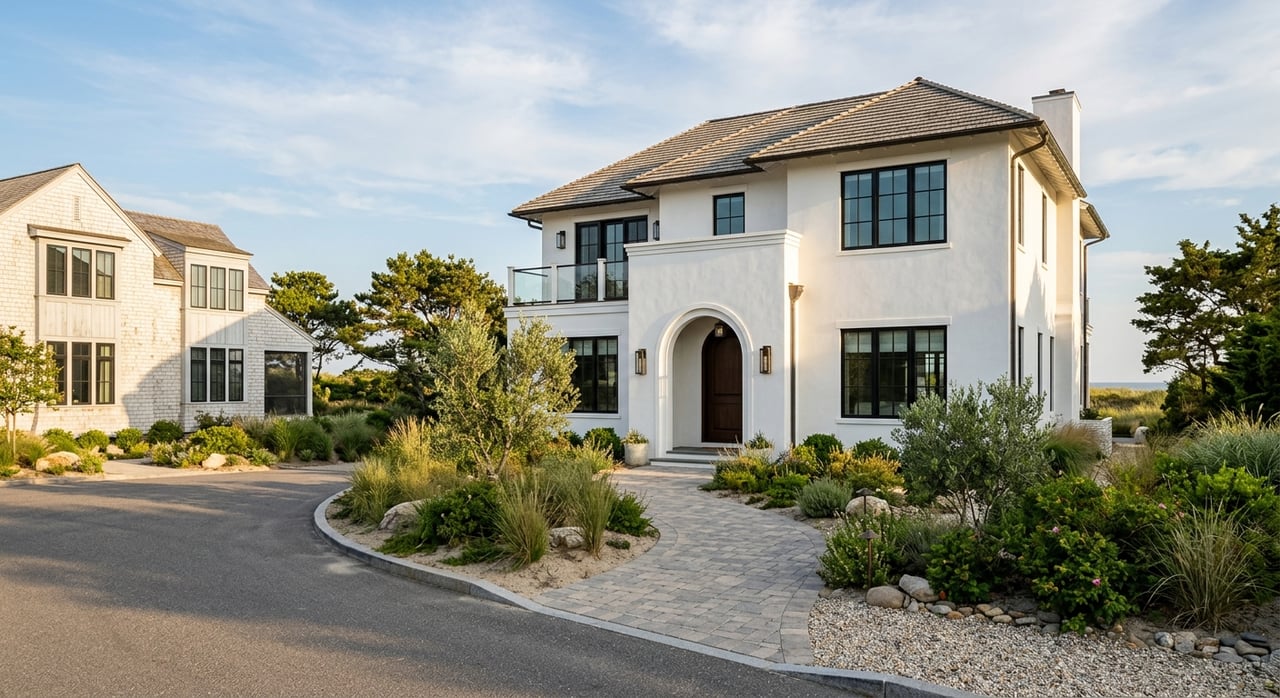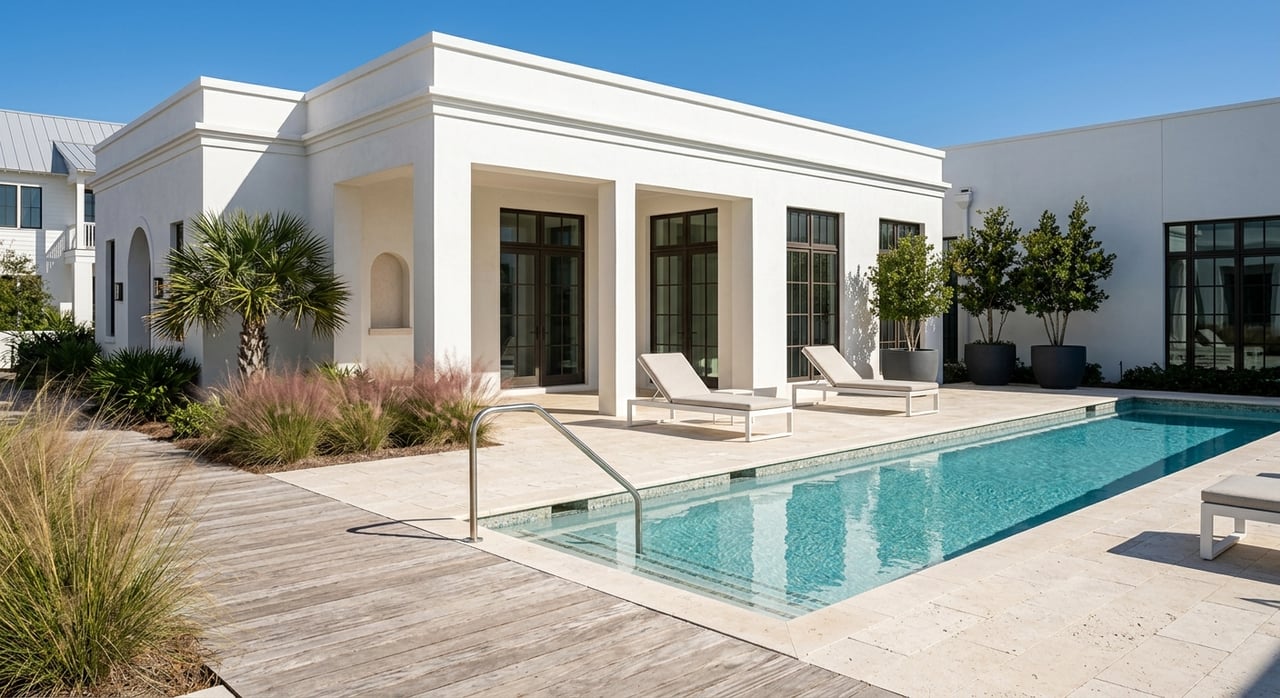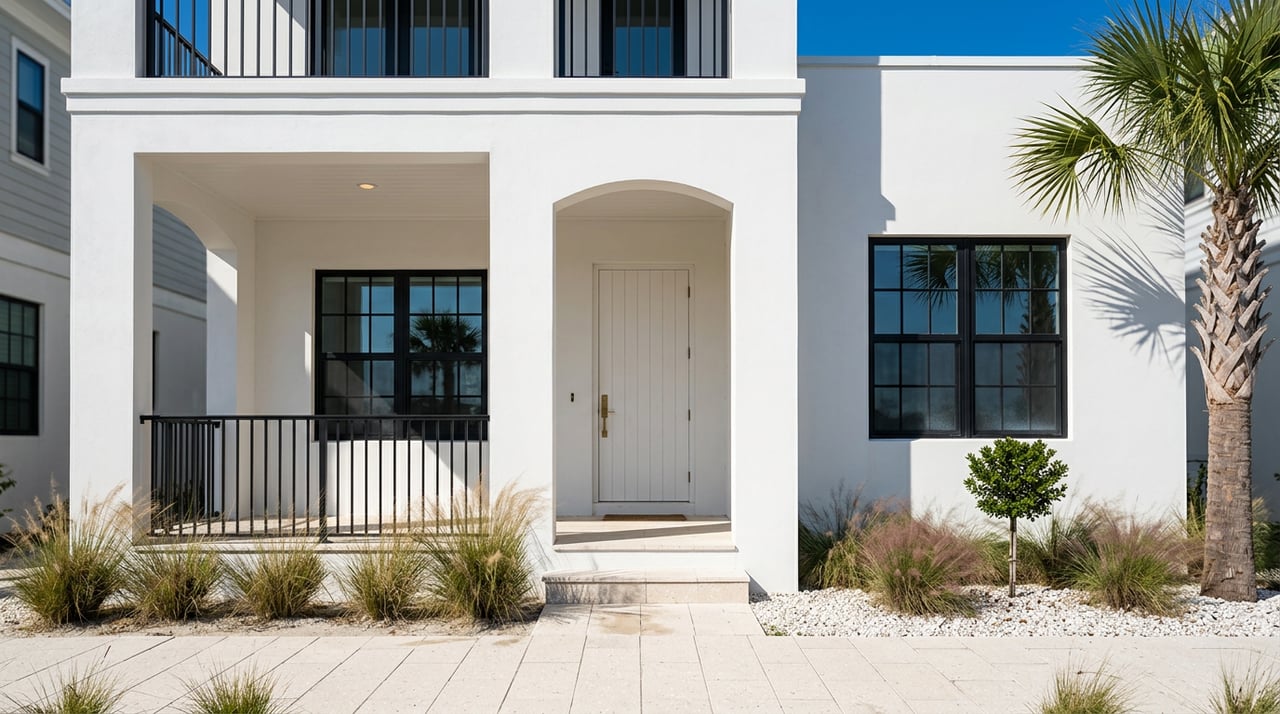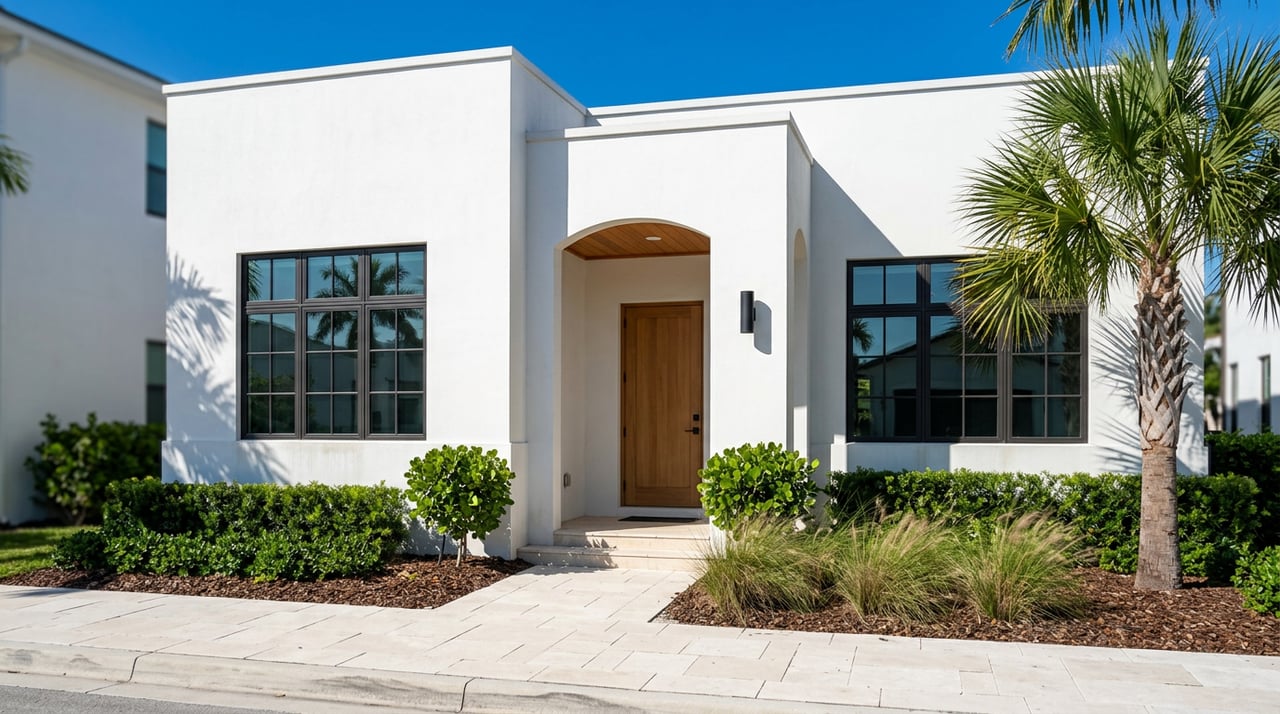
Ever wonder what it really takes to buy in Watersound Beach’s Bridges neighborhood on 30A? You want privacy, beach access, and a smooth process that protects your time and investment. This guide gives you a clear path from first tour to closing, with coastal due diligence, HOA steps, financing tips for second homes, and a practical checklist tailored to Bridges. Let’s dive in.
Why Watersound stands out
Watersound Beach is a gated, coastal community with preserved dunes, scenic boardwalks, and private beach access. Its a neighborhood known for both condominiums and single-family homes along or near the lakes with a calm, intimate feel.
Local natural features set the tone here. You are close to Camp Creek Lake and Deer Lake State Park, and coastal dune lakes are a defining part of South Walton. If you are new to the area, read more about these rare lakes to understand their environmental importance and how they influence planning and design near the coast in this overview of coastal dune lakes. Price points are typically high-end, with many properties trading from the mid 2 million range to 6 million and above, with gulf-front estates beyond that band.
Your step-by-step buying path
A smooth purchase follows a predictable rhythm. Here is a typical sequence and timing to help you plan.
- Research and pre-approval, 2 to 14 days
- Confirm budget, inventory, and lending options for a second home if applicable.
- Ask your lender for a written pre-approval and discuss reserves, down payment ranges, and insurance requirements.
- Offer and contract, 1 to 3 days to prepare
- Negotiate price, closing date, and critical contingencies like inspection, financing, HOA review, and survey.
- Deliver earnest money per the contract.
- Due diligence period, 7 to 30 days
- Complete inspections, order HOA and title documents, review survey and elevation data, and confirm flood, wind, and coastal considerations.
- Loan underwriting, 30 to 45 days for many conventional loans
- Jumbo or construction loans can take longer. Lenders may request extra documentation for second homes.
- Closing and recording, 1 to 3 business days
- Build in time for HOA estoppel documents, insurance binders, and final lender conditions.
Key contingencies to protect you
In coastal master-planned communities like Watersound Beach, a strong contract puts diligence first.
- HOA and CC&Rs review. Request the full association package immediately after ratification. Include bylaws, rules, architectural guidelines, budgets, reserves, insurance summaries, and meeting minutes.
- Home inspection. Plan enough time for specialty inspections that matter on the coast.
- Financing. Tie your financing deadline to lender milestones. Clarify second-home requirements early.
- Survey and elevation. Order a current survey, and if close to dunes or shoreline, consider a coastal boundary review and elevation certificate.
HOA documents and estoppel timing
Florida law requires associations to provide disclosure summaries and estoppel certificates within statutory timeframes. Under Chapter 720, estoppel certificates must be issued within defined deadlines, which you should plan around as you set contingencies. Review the relevant provisions in Florida’s Chapter 720 statutes and build buffer time for vendor or processing delays.
Order the estoppel and resale package right away. Your title company and lender will need the estoppel and association insurance declarations to clear you for closing. Associations charge a fee for estoppel certificates, and timing is critical since delays can push your closing.
Coastal due diligence essentials
Buying near dunes and coastal lakes adds a few extra steps that are well worth the effort.
Flood zones and elevation
- Run the address through FEMA’s Flood Map Service Center to confirm the flood zone. If the home is in a Special Flood Hazard Area, lenders require flood insurance.
- Ask for or order an elevation certificate early. Insurers and lenders use it for rating and underwriting.
CCCL and shoreline setbacks
- Florida’s Coastal Construction Control Line program regulates construction seaward of mapped lines. If your lot or planned improvements are near that area, permits and design standards may apply. Review the CCCL program and mapping guidance from the Florida Department of Environmental Protection.
- A coastal survey or permit history review can clarify what you can build, rebuild, or readily maintain.
Inspections for coastal exposure
- Structure and foundation. Evaluate pilings, embedment depth, and any corrosion or spalling. Confirm code compliance relative to base flood elevation.
- Seawalls, bulkheads, docks. Inspect for condition and permitting history. Insurability can depend on proper permits and recent evaluations.
- Exterior components. Salt air can affect metal fasteners, HVAC coils, and linesets. Ask for maintenance records and corrosion-resistant materials.
- Wind mitigation. Roof-to-wall connections, opening protection, and impact-rated features can influence insurance credits. Review what insurers look for in wind mitigation inspections.
Insurance and documentation to line up
Insurance carriers often request specific inspections and proof of mitigation.
- Wind mitigation inspection. A Uniform Mitigation Verification form can help you qualify for credits. Learn what carriers accept in the Citizens overview of wind inspections.
- Four-point and WDO. Older homes commonly require a four-point inspection and a wood-destroying organism inspection for underwriting. Ask your insurer what is needed for your home’s age and systems.
- Evidence of coverage. Your lender will require insurance binders before closing, including flood if applicable.
Closing costs and timelines in Walton County
Budget for state and local fees as you plan your purchase.
- Documentary stamp tax on the deed. Florida’s standard rate is $0.70 per $100 of consideration outside Miami-Dade. Mortgage documentary tax is $0.35 per $100 of indebtedness. See the Florida Department of Revenue’s page on documentary stamp taxes for details.
- Title insurance and settlement fees. In many Florida markets the seller often pays for the owner’s title policy, although this is negotiable. Your title company will quote owner and lender policy premiums, closing fees, and recording costs.
- HOA estoppel and transfer fees. Each association sets its own fees. Confirm early so you can plan your final cash to close.
- Specialty inspections and surveys. Coastal inspections, elevation certificates, seawall or dock evaluations, and detailed structural reports can add several hundred to several thousand dollars. Build this into your diligence budget.
Remote and mail-away closings
If you are out of state, you can typically close by mail-away or remote notarization where permitted. Florida deeds usually require two witnesses and a notary. Confirm the title company’s process and allow shipping time for any originals. For local recording practices, review Walton County recorder guidance on deeds and recording.
Final pre-closing checklist
Use this short list to keep your transaction on track.
- Confirm loan approval, rate lock, and delivery of your Closing Disclosure.
- Ensure the HOA estoppel and association insurance declarations are in the title and lender files.
- Bind homeowners and flood insurance if required, and provide binders.
- Confirm survey, elevation certificate, and all inspections are complete and negotiated.
- Verify who pays for owner’s title policy and documentary stamps per the contract. Ask your title company for a preliminary settlement statement.
Work with a local team you trust
Buying in Watersound is about more than finding a beautiful home. It is also about protecting value in a coastal environment with HOA layers, insurance details, and precise timelines. If you want a calm, concierge experience with clear communication at every step, connect with the Geppert Beeker Group to map your path to closing.
FAQs
How long does a Watersound purchase usually take?
- Many buyers move from offer to closing in about 30 to 45 days for financing plus 1 to 3 days to fund and record, with a 7 to 30 day due diligence period built into the contract.
Do I need flood insurance for a home in Watersound?
- Lenders require flood insurance if the property is in a Special Flood Hazard Area, which you can verify using FEMA’s Flood Map Service Center and an elevation certificate. While Watersound is in a Flood X Zone and insurance is not required for cash transactions, we always recommend it.
Are short-term rentals allowed in Watersound ?
- Yes, Watersound allows short term rentals with specific rules and regulations.
What inspections are recommended for a coastal home near 30A?
- In addition to a general home inspection, plan for wind mitigation, four-point and WDO, structural and piling evaluations, roof and moisture checks, and WDO (wood destroying organism) Inspections.
What closing costs should I expect in Walton County, Florida?
- Budget for documentary stamp taxes on the deed and mortgage, title insurance and settlement fees, HOA estoppel and transfer fees, recording charges, and any specialty inspections or surveys.
Can I close remotely on a Watersound home purchase?
- Yes, many buyers use mail-away or remote notarization options where permitted, but confirm witness and notary requirements with your title company and allow time for shipping any originals.